
Termites are one of the most destructive pests in Kenya. They quietly eat through wood, furniture, floors, documents, and even electrical wiring often without being noticed until the damage is severe. Whether you own a home, run a business, or manage property, understanding termite control is essential.
This guide explains everything you need to know: the signs, prevention, treatment, and why professional termite control is the best long-term solution.
1. Why Termites Are a Serious Threat
Termites don’t bite or spread disease, but they cause massive structural and financial damage.
If left untreated, termites can weaken floors, walls, furniture, and roof trusses turning a small problem into a costly repair.
Some reasons termites spread fast:
- They live underground or inside wood (hidden from sight)
- Colonies contain thousands to millions of termites
- They feed continuously, 24/7
- They move through mud tunnels, avoiding detection
This makes early detection extremely important.
complete guide to pest control: Read here
2. Common Signs of Termite Infestation
Here’s how to know you might have termites:
✔ Mud Tubes on Walls or Floors
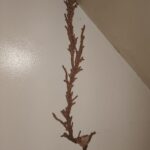
Thin, brown tunnels made of soil a classic sign.
✔ Hollow or Weak Wood
Tap wooden surfaces; if they sound empty, termites may be inside.
✔ Swarmers (Flying Termites)
Found especially during warm seasons. These are reproductive termites searching for new colonies.
✔ Discarded Wings
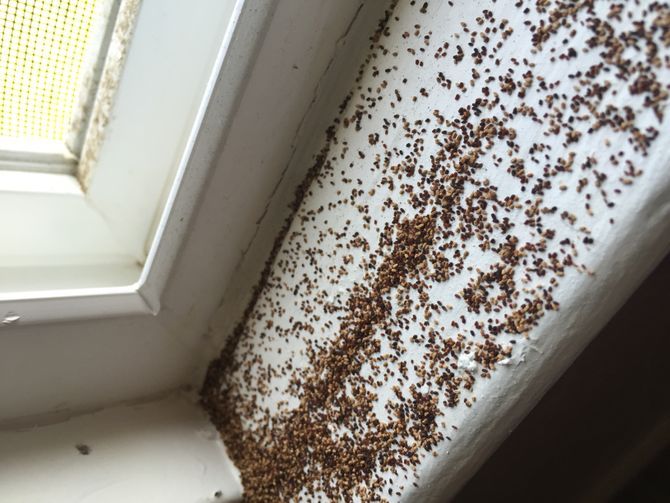
Tiny wings near windowsills, doors, or lights indicate a new colony is forming.
✔ Fine Wood Dust or Droppings
Termite frass looks like sawdust—they push it out of wood as they eat.
✔ Warped Doors and Bubbling Paint
Often mistaken for water damage, but termites could be tunneling inside.
3. The Main Types of Termites in Kenya
● Subterranean Termites
The most destructive species. They live underground and attack homes from below.
● Drywood Termites
They live inside dry wood like furniture and ceilings.
● Dampwood Termites
Found in moist or water-damaged wood.
Knowing the type helps determine the right treatment.
cockroach control in kenya
4. How to Prevent Termite Infestation
You can significantly reduce termite risks by maintaining your property:
1. Reduce Moisture Around the Home
Termites love damp areas. Fix leaking pipes, drainage issues, and moisture buildup.
2. Keep Wood Away From Soil Contact
Store firewood, timber, and cardboard off the ground.
3. Seal Cracks and Gaps
Close all entry points around windows, foundations, and walls.
4. Maintain Proper Ventilation
Poor airflow encourages dampness, attracting termites.
5. Trim Trees and Bushes
Branches touching your building act as termite highways.
6. Schedule Annual Termite Inspections
Preventive inspections save money and catch early signs.
5. Effective Termite Control Methods
Here are the proven ways to eliminate termites:
● Termite Baiting Systems
Slow-acting, safe, and excellent for eliminating entire colonies.
● Soil Treatment (Termiticides)
Creates a protective barrier around your home’s foundation.
● Wood Treatment
Ideal for furniture, rafters, and structures already attacked.
● Fumigation
Used for severe drywood termite infestations.
● Pre-Construction Treatment
If you treat before building, you prevent decades of termite problems.
6. Why Professional Termite Control Is Worth It
DIY methods rarely work on termites because:
- colonies are hidden deep underground or inside wood
- termites avoid light and open areas
- they reproduce extremely fast
Professional exterminators use advanced tools, chemicals, and detection methods that guarantee complete colony elimination not just temporary relief.
You save money in the long run by preventing structural damage.
Termite control isn’t something to delay. The earlier you detect, prevent, or treat an infestation, the more you protect your home, your furniture, and your peace of mind.