
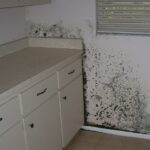
Mold and mildew are more than just unsightly stains on your walls they are silent invaders that can significantly impact your indoor air quality and overall health. Often hidden behind furniture, inside damp corners, or within wall cavities, these fungi thrive in humid or poorly ventilated areas, quietly spreading spores that can trigger serious problems if left unchecked.
The Health Risks of Mold and Mildew
Unseen mold and mildew can affect anyone, but certain groups including children, the elderly, and those with respiratory conditions are particularly vulnerable. Common health effects include:
- Allergic Reactions: Sneezing, runny nose, itchy eyes, or skin rashes.
- Respiratory Problems: Coughing, wheezing, and worsening asthma symptoms.
- Chronic Issues: Prolonged exposure may lead to sinus infections, fatigue, or persistent headaches.
Mold produces allergens, irritants, and sometimes mycotoxins, which are toxic compounds that can exacerbate respiratory and immune system issues. Even small amounts can compromise indoor air quality and make your living space unsafe.
Why Mold and Mildew Appear
Mold and mildew flourish in environments that are:
- Humid or Damp: Leaky roofs, plumbing issues, or condensation-prone areas.
- Poorly Ventilated: Bathrooms, kitchens, basements, or rooms with limited airflow.
- Neglected Cleaning: Dust accumulation or lingering moisture encourages growth.
Even a small water leak or persistent condensation on walls can create the perfect breeding ground for these fungi.
Preventing Mold and Mildew in Your Home
Preventing mold growth is always easier and safer than trying to remove it after it spreads. Here are some practical steps:
- Control Moisture: Fix leaks promptly and use dehumidifiers in damp areas.
- Improve Ventilation: Ensure bathrooms, kitchens, and basements are properly ventilated.
- Regular Cleaning: Wipe down walls, windowsills, and other damp-prone surfaces with mold-resistant cleaners.
- Monitor Indoor Humidity: Keep humidity levels between 30–50% for optimal air quality.
- Use Mold-Resistant Materials: When renovating, consider mold-resistant drywall and paints.
When to Call the Professionals
Sometimes mold growth is extensive or hidden behind walls and ceilings. In such cases, DIY cleaning is not enough. Professional cleaning and mold remediation services can:
- Detect hidden mold using specialized equipment.
- Safely remove mold and prevent it from spreading.
- Treat the area to prevent future growth and improve indoor air quality.
Looking for vehicle pest control services? watch here
Mold and mildew may be invisible at first glance, but their impact on health and air quality is real and potentially serious. By keeping your home dry, ventilated, and regularly cleaned, you can protect your family from allergens, respiratory issues, and long-term health risks. Don’t wait until the stains appear proactive prevention is the key to a healthier, cleaner home.